Myth 1: Whitening Damages Your Enamel
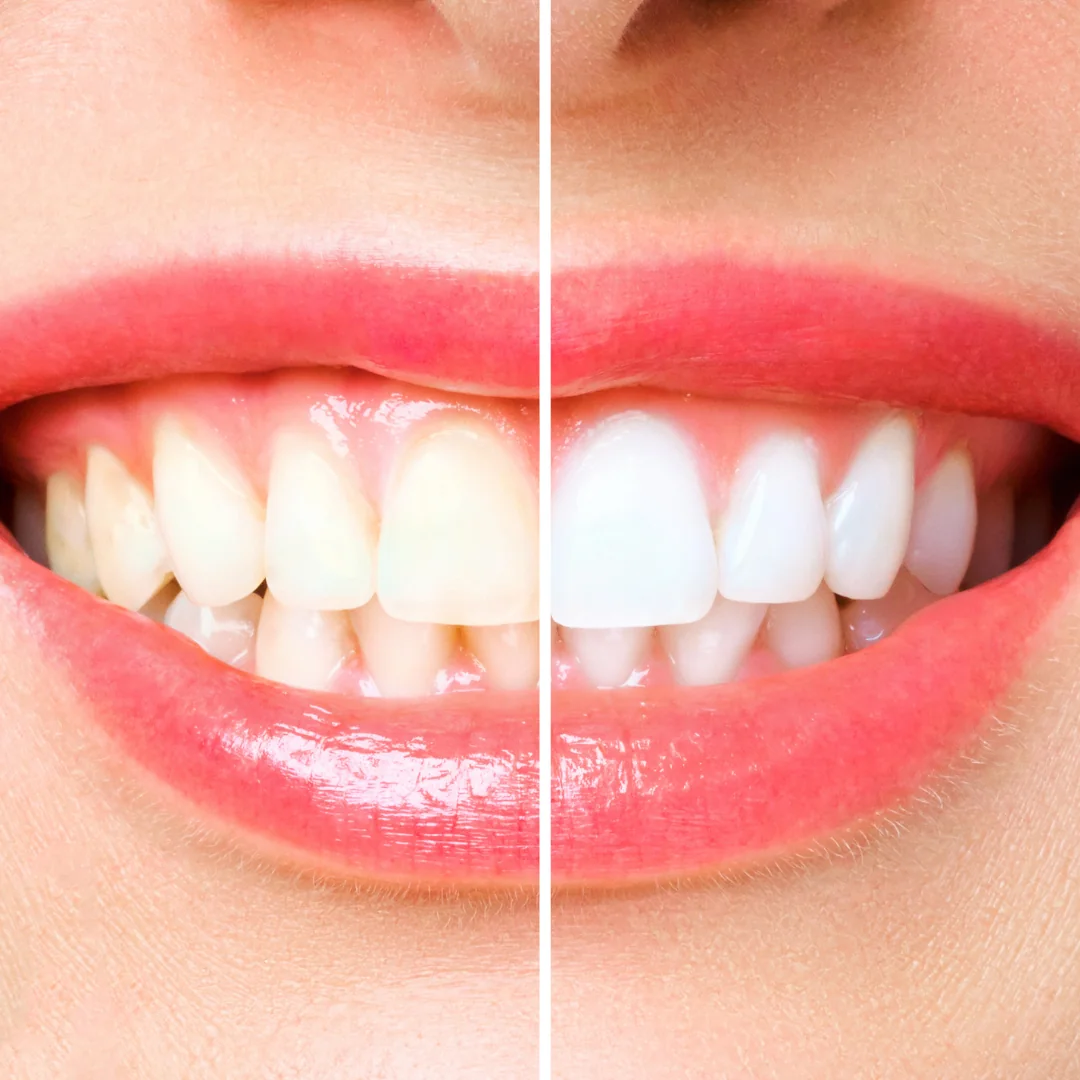
One of the most persistent myths is that teeth whitening ruins tooth enamel. When performed correctly under professional supervision, whitening is safe for enamel. The bleaching agents used in dental-grade products are carefully formulated and applied for controlled periods. At our Lodi practice, Dr. Cheung evaluates your enamel health before recommending any whitening treatment to ensure the process is both safe and effective.
Myth 2: Baking Soda and Lemon Juice Work Just as Well
Social media is full of DIY whitening remedies involving baking soda, lemon juice, activated charcoal, or strawberries. While baking soda is mildly abrasive and can remove some surface stains, the acidic ingredients in these mixtures can actually erode enamel over time. The results are temporary at best, and the long-term damage to your teeth can be significant. Professional treatments target discoloration without compromising tooth structure.
Myth 3: Once You Whiten, Results Last Forever
Whitening is not a permanent solution. Your teeth will gradually pick up new stains from foods, beverages, and natural aging. However, with good oral hygiene and periodic touch-up treatments, you can maintain a bright smile for years. We recommend avoiding excessive consumption of staining substances and using a whitening toothpaste between professional treatments to extend your results.
Myth 4: All Whitening Products Deliver the Same Results
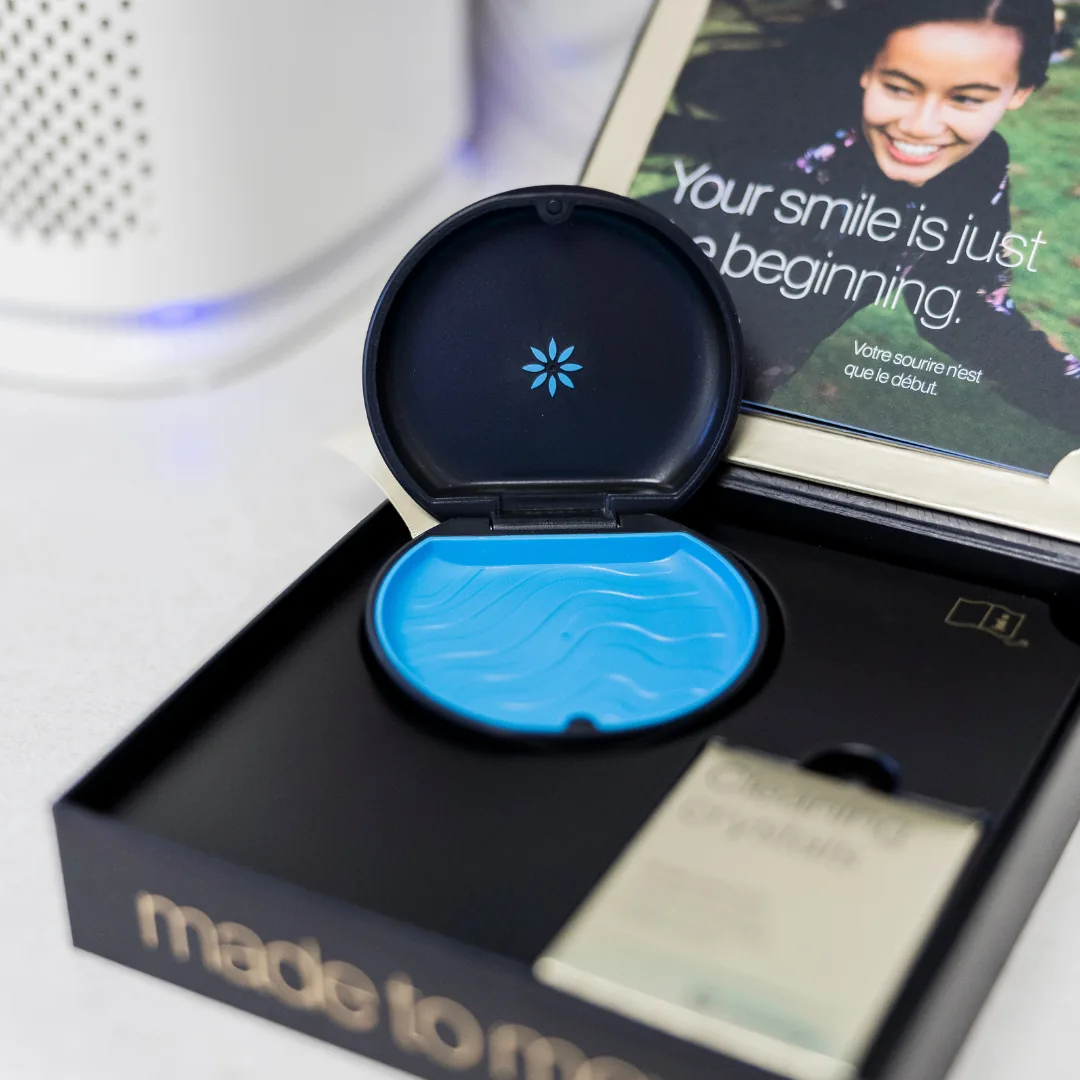
Store-bought whitening strips, pens, and toothpastes use much lower concentrations of active ingredients compared to professional products. The one-size-fits-all trays in over-the-counter kits often result in uneven whitening and can irritate the gums. Custom trays and professionally applied treatments deliver more uniform, predictable results because they are tailored to your unique dental anatomy.
Myth 5: Whitening Works on All Types of Stains
Whitening is most effective on extrinsic stains caused by food, drink, and tobacco. Intrinsic stains, which occur inside the tooth due to medications, trauma, or excessive fluoride exposure during development, may not respond well to traditional bleaching. In these cases, alternatives such as veneers or dental bonding may be more appropriate. A consultation with Dr. Cheung can help determine the best path to your ideal smile.