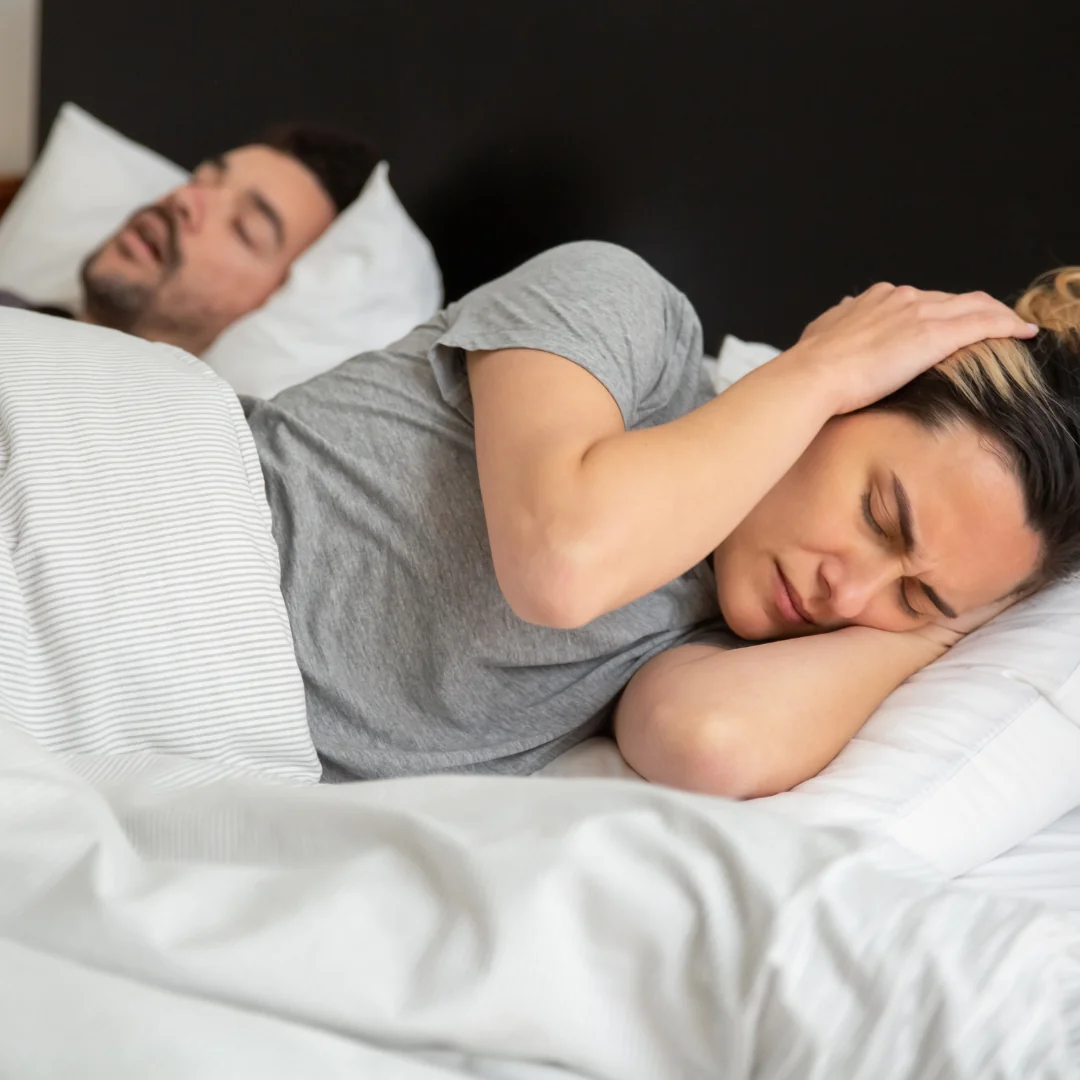
- If someone in your Lodi home saws logs every night, you have probably wondered whether it is just harmless snoring or a sign of something more. Most snoring is simply noisy breathing, but sometimes it points to a sleep problem worth taking seriously. Knowing the difference can help you and your family sleep better and feel healthier during the day.
Snoring Is Common, but Not Always Harmless
Snoring happens when air has to squeeze past relaxed tissues at the back of your throat while you sleep. That vibration is the sound you hear. Plenty of people snore now and then, especially after a big meal, a glass of wine, or a stuffy-nose cold, and it does not always mean anything is wrong.
What makes snoring worth a closer look is when it is loud, happens most nights, and comes with other changes in how you feel and function. In other words, the sound itself is less important than the pattern around it. If your partner is nudging you awake or moving to the guest room, that is a good reason to pay attention.
When Snoring Might Mean Sleep Apnea
Obstructive sleep apnea is a condition where the airway briefly collapses or gets blocked during sleep, so breathing pauses again and again through the night. Each pause can pull you out of deep, restful sleep, even if you never fully wake up or remember it in the morning. Over time that broken sleep can wear on your health and your mood.
Here are some signs that snoring could be part of something bigger:
- Loud, chronic snoring that happens almost every night
- Gasping, choking, or noticeable pauses in breathing that a partner notices
- Waking up feeling unrefreshed no matter how long you were in bed
- Daytime fatigue or dozing off when you would rather stay alert
- Morning headaches
- Trouble focusing, remembering things, or staying patient during the day
You will not have every sign, and having one does not confirm anything on its own. But if several of these sound familiar, it is worth looking into rather than brushing off. We put together a plain-language sleep apnea symptoms checklist you can review at home to help you decide whether to get evaluated.
Why a Diagnosis Comes First
Here is an important point we want to be honest about: a dentist does not diagnose sleep apnea. A proper diagnosis comes from a physician, and it often involves a sleep study, either in a lab or with a take-home test your doctor arranges. That study measures what is actually happening while you sleep, which is something no one can guess from the outside.
This matters because treatment depends on what the study shows. Mild or moderate cases may be handled one way, while more severe sleep apnea often needs a different approach. Skipping the diagnosis step and jumping straight to a fix can leave a real problem untreated. So if the signs above ring true for you, the first move is a conversation with your doctor, not a purchase online.
How a Dentist Can Fit In
Once you have a diagnosis, a dentist can be a helpful part of the team. For some people with diagnosed mild to moderate obstructive sleep apnea, or for certain cases of snoring, a custom oral appliance can help. Think of it as a small, comfortable device you wear at night that gently holds your lower jaw forward to keep the airway more open.
A few things worth understanding:
- An oral appliance is custom-made and fitted, not a one-size-fits-all product from a drugstore.
- It works best for some people, not everyone, which is why the diagnosis guides the plan.
- This is coordinated care. Your physician handles the diagnosis, and your dentist can help with an appliance when it is a good fit.
- Severe sleep apnea often calls for other treatment, such as a CPAP machine, and an appliance is not a replacement for that when it is needed.
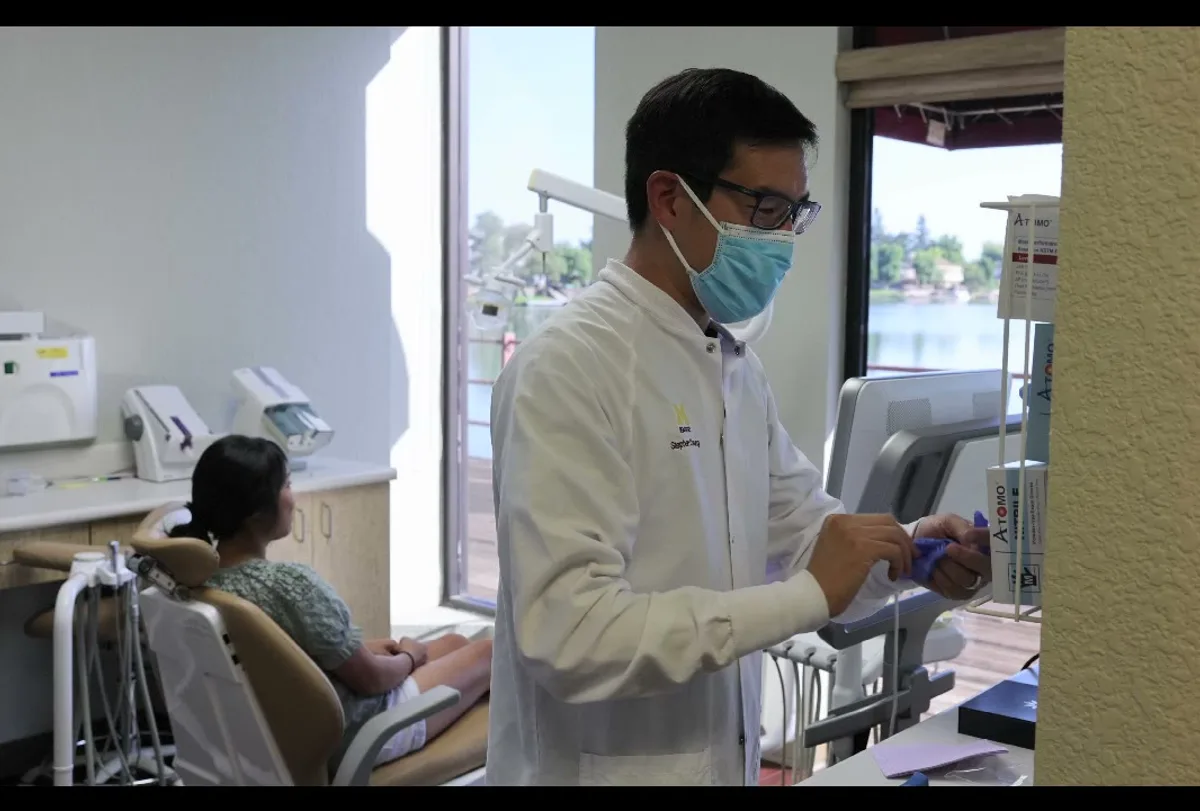
If you want to learn more about the appliance option and how it works alongside your doctor's care, our sleep apnea and snoring relief page walks through what to expect. When you visit, Dr. Cheung can talk through whether an appliance makes sense for your situation and coordinate with your physician.
The Bottom Line for Restless Nights
Snoring is common, and often it is nothing to worry about. But loud, nightly snoring paired with gasping, daytime fatigue, morning headaches, or trouble focusing is your body asking you to look closer. Getting evaluated is a caring thing to do, both for yourself and for the person sharing your bed.
Let's Talk About Better Sleep
If restless nights sound familiar, do not wait it out. Start with your physician about a possible sleep study, and know that our Lodi office is here to help with the dental side once you have answers. To ask a question or plan a visit, reach out through our contact page or call (209) 369-3617. Better rest is worth the conversation.