- If your mouth feels parched and sticky by mid-afternoon, you are not imagining it. Central Valley summers get hot and dry, and here in Lodi that heat can leave your mouth feeling like a desert. Dry mouth is common, it is usually manageable, and understanding what causes it makes it much easier to find relief.
What Dry Mouth Actually Is
Dry mouth is simply the feeling you get when your mouth is not making enough saliva to stay comfortable. You might notice a sticky feeling, a dry or rough tongue, cracked lips, bad breath, or a constant urge to sip water. Some people find it harder to swallow dry foods or notice their voice getting scratchy.
It can come and go, or it can stick around for weeks. Either way, it is worth paying attention to, because saliva does a lot more for your mouth than most people realize.
Common Causes, Especially in Summer
Plenty of everyday things can dry your mouth out, and the summer heat often makes several of them worse at once.
- Dehydration and heat. When you sweat through a hot Lodi afternoon and do not drink enough water, your body has less fluid to spare for saliva. This is the most common reason mouths feel dry in the summer months.
- Certain medications. Many common prescriptions list dry mouth as a side effect, including some for blood pressure, allergies, anxiety, and pain. If you started a new medication and noticed the dryness soon after, that may be the link.
- Mouth breathing. Breathing through your mouth, especially while you sleep, dries out the tissues fast. Stuffy noses from summer allergies can push you toward mouth breathing without you knowing it.
- Caffeine and alcohol. That extra iced coffee or an evening drink can both pull moisture from your mouth and nudge you toward dehydration.
Often it is a combination. A busy summer day with too much coffee, not enough water, and a little too much sun can add up quickly.
Why Saliva Matters and Why Dryness Raises Your Risk
Saliva is not just water. It rinses away food particles, helps neutralize the acids that wear down enamel, and carries the minerals that keep your teeth strong. It also keeps your gums and the soft tissues of your mouth comfortable.
When saliva runs low, a few things tend to happen:
- Higher cavity risk. With less saliva to wash away food and buffer acids, cavity-causing bacteria have an easier time. Sugar feeds those bacteria, so a dry mouth paired with sugary summer drinks is a tough combination for your enamel.
- Gum irritation. Dry tissues get sore and inflamed more easily, and your gums may feel tender or look red.
- Bad breath and discomfort. Without saliva rinsing things through, odor-causing bacteria build up and everything just feels less fresh.
None of this means something is wrong with your teeth. It simply means a dry mouth needs a little extra care, and keeping up with routine general dentistry visits helps us catch any early wear before it becomes a bigger problem.
Simple Ways to Find Relief
The good news is that most dry mouth responds well to small, practical changes. Try a few of these and see what helps:
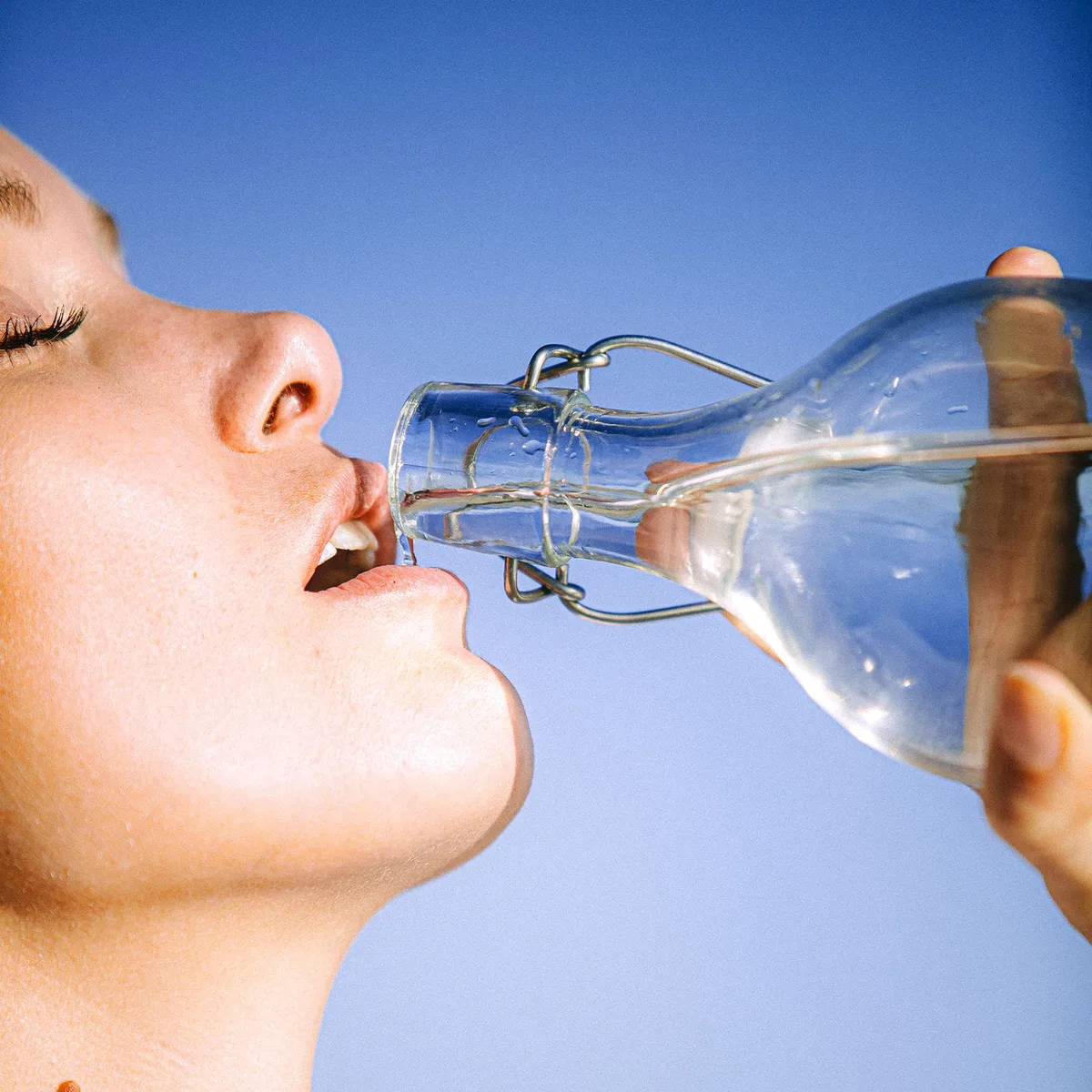
- Sip water through the day. Steady sips beat one big glass. Keep a water bottle handy in the car and at work, and drink more when you are outside in the heat.
- Chew sugar-free gum. Chewing gently encourages your mouth to make more saliva. Look for sugar-free options so you are not feeding cavity bacteria at the same time.
- Ease up on caffeine and alcohol. You do not have to give up your morning coffee, but cutting back in the afternoon can make a real difference.
- Run a humidifier at night. If you wake up dry, adding a little moisture to the bedroom air while you sleep can help, especially if you tend to breathe through your mouth.
- Keep your lips and mouth comfortable. A little lip balm and a bedside glass of water go a long way on hot nights.
Staying on top of your regular professional cleanings matters too, since a dry mouth benefits from having plaque removed on schedule.
When to Mention It to Us
A dry mouth that comes with a hot, busy day and clears up once you rehydrate is usually nothing to worry about. But it is worth telling us if the dryness sticks around for weeks, keeps interrupting your sleep, comes with sore or bleeding gums, or started right after a new medication.
We can take a look, talk through what might be behind it, and suggest options that fit your routine. If your mouth has felt dry lately, reach out to our Lodi office or call (209) 369-3617 to set up a visit. A few small adjustments are often all it takes to feel comfortable again.