What Are Plaque and Tartar?
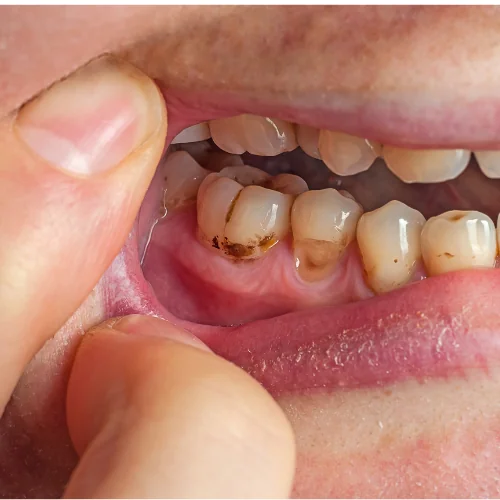
Plaque is a soft, sticky film of bacteria that continuously forms on your teeth throughout the day. When you eat, the bacteria in plaque feed on sugars and produce acids that attack tooth enamel. If plaque is not removed through daily brushing and flossing, it hardens into tartar, also known as calculus. Tartar bonds firmly to the tooth surface and can only be removed by a dental professional using specialized instruments.
How Plaque and Tartar Lead to Disease
When plaque accumulates along the gumline, it irritates the gum tissue and triggers an inflammatory response. This early stage of gum disease, called gingivitis, is characterized by red, swollen gums that may bleed during brushing. If gingivitis is not addressed, it can progress to periodontitis, a more serious condition where the gums pull away from the teeth and the supporting bone begins to deteriorate. Periodontitis is a leading cause of tooth loss in adults.
Prevention Starts at Home
The most effective way to control plaque is a consistent daily oral hygiene routine. Brush thoroughly twice a day for at least two minutes, making sure to reach every surface of every tooth. Floss daily to clean the areas between teeth where your toothbrush cannot reach. Using an antimicrobial mouth rinse can provide additional protection by reducing the bacterial population in your mouth.
The Role of Professional Cleanings
Even with diligent home care, some plaque inevitably hardens into tartar in areas that are difficult to reach. Professional cleanings at Stephen Cheung DDS are essential for removing tartar and thoroughly cleaning below the gumline. For patients with a history of gum disease, we may recommend more frequent cleanings or a deep cleaning procedure called scaling and root planing, which removes tartar from the root surfaces and helps the gums reattach to the teeth.
Early Detection Saves Teeth
Regular dental visits allow Dr. Cheung to monitor your plaque and tartar levels and catch early signs of gum disease before they progress. Periodontal probing during your exam measures the depth of the pockets around your teeth, providing a clear picture of your gum health. Catching cavities early - when a tooth-colored filling is still an option - is always simpler, more comfortable, and less costly than treating advanced disease. Schedule your next cleaning at our Lodi office to stay ahead of buildup.