- Gum disease has a way of slipping under the radar. It usually starts quietly, without the kind of ache that sends you reaching for the phone, so it is easy to brush off the early hints. The good news is that when you catch those hints early, the earliest stage is often reversible with a professional cleaning and steady care at home. Here in Lodi, we see this all the time with families who simply did not know what to watch for. Let us walk through the signs most people miss and what they actually mean.
The Early Signs That Are Easy To Overlook
The first clues are small, which is exactly why they get ignored. None of these mean the sky is falling, but any of them is worth paying attention to.
- Bleeding when you brush or floss. A little pink in the sink is not "normal." Healthy gums usually do not bleed. When they do, it often means inflammation is building up along the gumline.
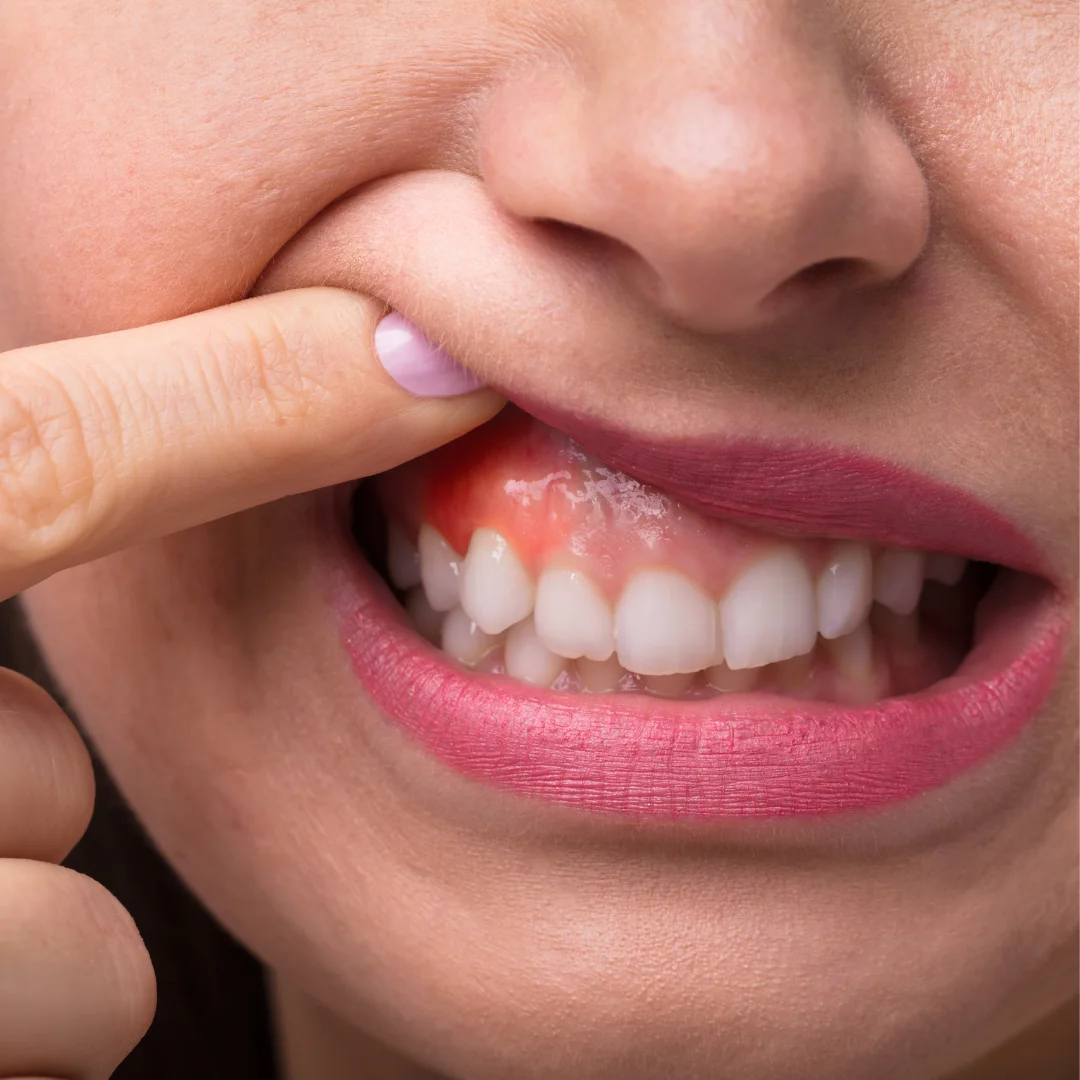
- Puffy, red, or tender gums. Gums that look swollen or feel sore when you eat or brush are trying to tell you something.
- Receding gums. If your teeth look a little longer than they used to, or you notice small notches near the gumline, your gums may be pulling back.
- Bad breath that will not quit. Persistent bad breath, even after brushing, can be a sign of bacteria collecting where your toothbrush is not reaching.
You do not need every one of these to have a reason to check in. Even one that sticks around for more than a week or two is worth a closer look.
What Gum Disease Actually Is
Gum disease is inflammation and infection of the tissues that hold your teeth in place. It begins with plaque, the soft, sticky film of bacteria that forms on teeth every day. When plaque is not cleaned away, it hardens into tartar, which brushing alone cannot remove. That buildup irritates the gums, and the trouble starts there.
Gingivitis: the reversible stage
The earliest stage is called gingivitis. This is the puffy, bleeding, tender-gum stage, and it is the one you want to catch. At this point the damage has not reached the bone, and with a professional cleaning plus good habits at home, gums can often bounce back to health.
When it progresses
Left alone, gingivitis can advance into a more serious form of gum disease, sometimes called periodontitis. Here the infection works its way deeper, and the gums and bone that anchor your teeth can begin to break down. This stage is harder to undo, which is the whole reason the early signs matter so much. If you want a clearer picture of how things move from mild to more advanced, our guide to the stages of gum disease breaks it down in plain language.
Why It Matters Beyond Your Mouth
Your gums are not sealed off from the rest of you. Because gum disease is an ongoing, low-grade infection, keeping it in check is part of taking care of your whole body, not just your smile.
November is National Diabetes Month, so it is a fitting time to mention that gum disease and diabetes are linked. Researchers have long observed an association between the two, and the relationship appears to run both ways: gum trouble can be harder to manage when blood sugar is high, and inflamed gums can make things more complicated in turn. That is one honest, practical reason to keep your gums healthy, especially if diabetes runs in your family.
The takeaway is not alarm. It is simply that healthy gums are worth the small, steady effort they ask of you.
How To Protect Your Gums
Most of what keeps gums healthy is refreshingly ordinary.
- Brush twice a day for two minutes with a soft-bristled brush.
- Clean between your teeth every day with floss or another interdental cleaner. This reaches the spots where gum trouble tends to start.
- Keep up with regular professional cleanings, which remove the hardened tartar you cannot get at home.
- Tell us if you notice bleeding, tenderness, or bad breath, so we can look early rather than late.
If any of the warning signs sound familiar, a good next step is a professional evaluation. Our team can look closely, clean away the buildup that home care cannot, and help you reverse things while they are still early. You can learn more about how we treat and manage gum disease on our gum disease care page.
Ready When You Are
Catching gum disease early is one of the simplest wins in dentistry, and it usually starts with a single visit. If you have noticed any of these signs, or it has just been a while since your last cleaning, reach out. You can contact our Lodi office or call us at (209) 369-3617 to set up a time. Your gums do a lot of quiet work, and a little attention now can save you a lot down the road.